
 Business License

Waste Paper Baler Machine | High Density, Low Freight, Max Profit
In the fast-paced world of waste recycling and paper processing, efficiency and profitability go hand in hand. For businesses dealing with large volumes of waste paper—from recycling centers and paper mills to e-commerce warehouses and printing facilities—the waste paper baler machine has emerged as a game-changing investment. More than just a tool for compaction, it is a strategic asset designed to deliver three core benefits: high-density bales, reduced freight costs, and maximum profit margins. In this article, we explore how this essential equipment transforms waste paper from a costly liability into a valuable revenue stream, backed by real-world data and industry insights.
High Density: The Foundation of Efficiency and Value
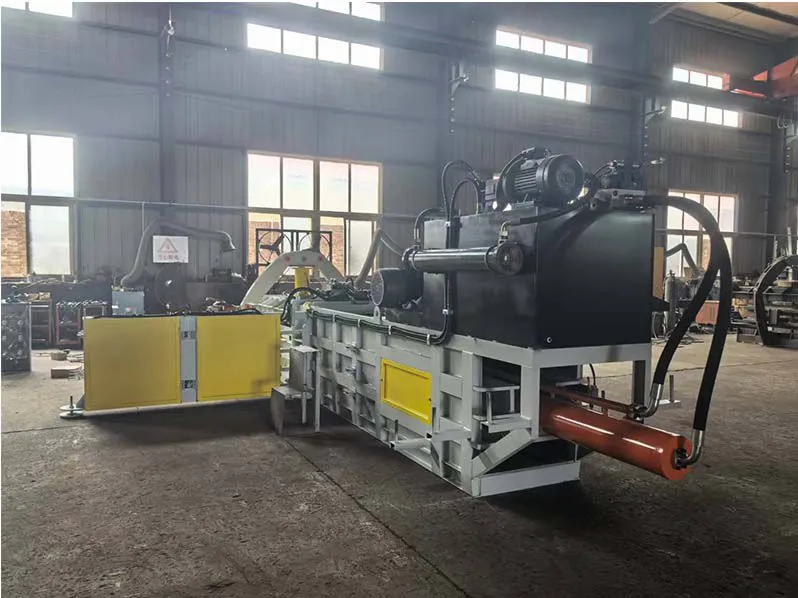
The defining feature of a premium waste paper baler machine is its ability to produce high-density bales, a factor that directly impacts every aspect of your operations. Unlike loose waste paper, which is bulky, messy, and inefficient to handle, dense bales compress the material into uniform, compact blocks—reducing volume by up to 90% compared to loose paper waste. This compression is made possible by advanced hydraulic systems, often featuring triple-direction compression technology that applies balanced force from the top and sides, ensuring tight, consistent bales that maintain their shape during storage and transportation.
High-density bales offer multiple operational advantages. For starters, they optimize storage space: a warehouse that once struggled to accommodate loose paper piles can now store 5 to 10 times more material in the same footprint, freeing up space for revenue-generating activities instead of waste storage. Additionally, dense bales are far more valuable in the recycling market—recyclers and paper mills prefer compact, uniform bales because they reduce handling time and material loss. For example, loose waste paper typically sells for $35–$50 per ton, while properly baled paper fetches $120–$180 per ton, with high-grade white paper bales reaching $220–$280 per ton when sorted and compacted effectively. This value boost alone makes high-density baling a critical step in maximizing returns.
Low Freight: Slash Logistics Costs and Boost Competitiveness
Logistics costs are a major pain point for businesses handling waste paper, but the waste paper baler machine directly addresses this challenge by minimizing freight expenses. The key insight is simple: denser bales mean more material per shipment, reducing the number of truckloads required to transport your waste paper to buyers or recycling facilities. When loose paper is baled to high density, you eliminate the "air" in each shipment—avoiding the inefficiency of paying for empty truck space.
Real-world data highlights the impact: a Korean e-commerce giant processing 23,000 boxes daily reduced its waste paper transportation costs by 67% after implementing a baler, dropping from $27 per ton to just $9 per ton. For larger operations, improving bale density by 10–15% can eliminate dozens of annual transport trips, cutting fuel costs, driver wages, and toll fees significantly. Additionally, dense bales are easier to load and unload, reducing handling time by up to 82% compared to loose paper—saving labor costs and streamlining logistics workflows. These savings add up quickly, turning a major expense into a source of operational efficiency.
Max Profit: Turn Waste into a Lucrative Revenue Stream
At the end of the day, every investment in equipment should deliver a return—and the waste paper baler machine excels at maximizing profit through a combination of cost savings and revenue growth. Let’s break down the profit drivers:
Higher Resale Value: As noted earlier, high-density bales command a premium in the market. A factory case study showed that mills gain a net profit of $18.50 per ton processed through baling, with bale value increasing by 237% compared to loose paper (from $40 per ton to $135 per ton). For businesses processing 100+ tons per day, this translates to significant daily profit gains.
Reduced Operational Costs: Beyond freight savings, balers cut labor costs by up to 71%—automating compaction and tying processes that once required manual labor. Maintenance costs are minimal, with vertical balers averaging just $800 per year in upkeep, and even high-volume horizontal balers offering rapid return on investment (ROI). Most businesses achieve ROI within 10–18 months, with small operations breaking even in as little as 3–6 months.
Minimized Material Loss: Loose waste paper often suffers from moisture damage, dust loss, and contamination, reducing its value. High-density bales protect the material from moisture and damage, cutting material loss from 8–12% to just 0.5–1.2%—a 92% improvement that preserves more of your valuable waste paper for resale.
Scalability and Versatility: Modern balers are designed to adapt to your business growth. Vertical balers are ideal for small operations (processing <800 kg/day) with limited space, while horizontal balers handle high-volume waste (1,500–10,000 kg/day) for recycling centers and paper mills. AI-enabled models with optical sorters even automate waste classification, allowing you to separate high-grade paper from mixed waste and maximize revenue from each bale.
Why Choose the Right Waste Paper Baler Machine?
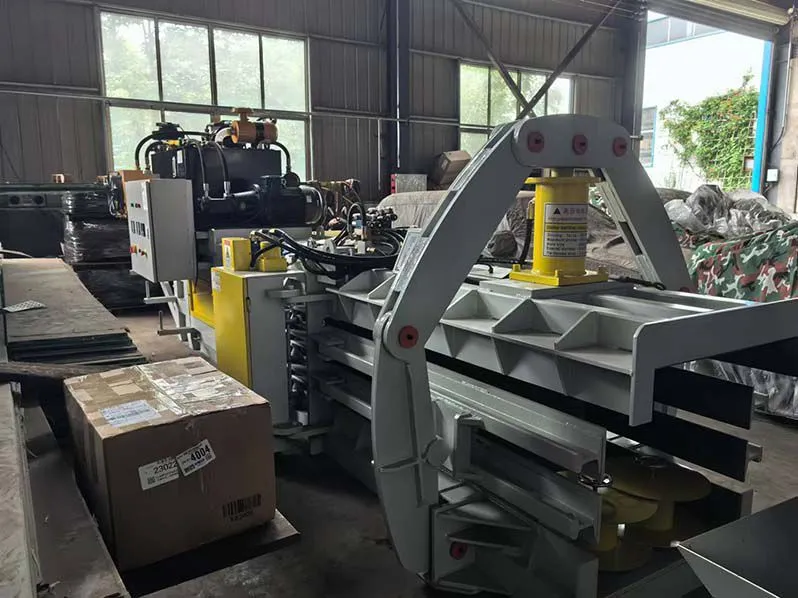
Not all waste paper balers are created equal—and choosing the right model is key to unlocking the full potential of high density, low freight, and max profit. Look for machines with reinforced frames for stability, premium hydraulic systems to ensure consistent compression, and smart PLC controls for easy operation and real-time monitoring. Features like automatic tying systems (using high-strength steel wire) prevent bale loosening, while plastic wrap dispensers add weather resistance and command an additional 15% price premium for your bales.
Whether you’re a small retail store generating moderate paper waste, a mid-sized recycling center processing tons of material daily, or a large paper mill optimizing its waste stream, there’s a baler tailored to your needs. A Vietnamese client, for example, increased waste paper value by 340% by combining baling with waste hierarchy optimization—sorting high-grade paper, corrugated containers, and mixed waste into specialized bales for targeted buyers.
Conclusion: Invest in Profit, Efficiency, and Sustainability
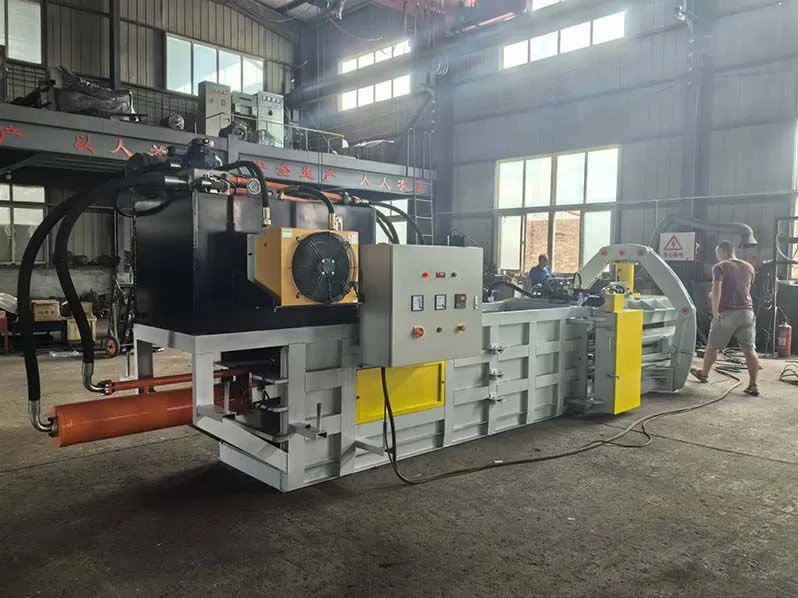
The waste paper baler machine is more than just a piece of equipment—it’s a strategic investment that aligns efficiency, cost savings, and profitability. By producing high-density bales, you reduce storage and freight costs, protect your material from loss, and command higher prices in the recycling market. With rapid ROI, minimal maintenance, and scalability to grow with your business, it’s the ultimate tool to turn waste paper into a consistent, lucrative revenue stream.
In an industry where margins are often thin, the difference between success and stagnation lies in optimizing every process—and the waste paper baler machine delivers on that promise. Choose a machine that prioritizes high density, low freight, and max profit, and transform your waste management from a cost center into a profit driver today.
Recently Posted
-
Corrugated Cardboard Partition Assembler Machine: Revolutionize Your Packaging Production Efficiency
August 7, 2026In the fast-growing packaging and corrugated carton industry, grid partition assembly has long been a bottleneck restricting facto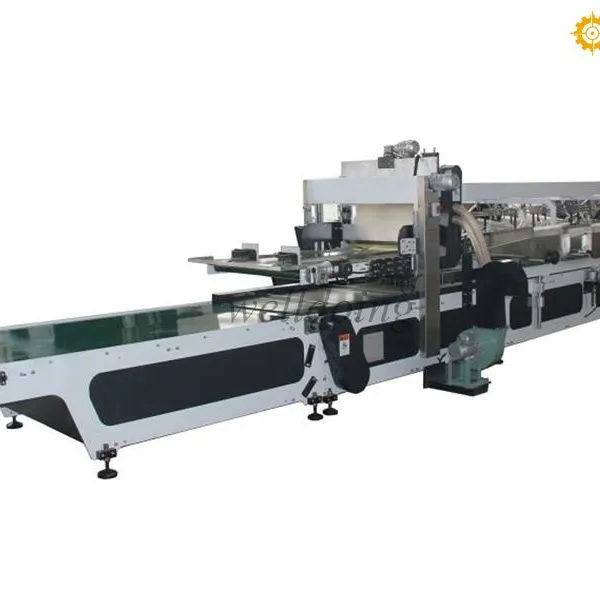 Read More
 -
Carton Box Stitching Machine: Upgrade Your Packaging Production Efficiency
August 6, 2026In the competitive packaging manufacturing industry, stable quality, high productivity, and cost control are the three core pillar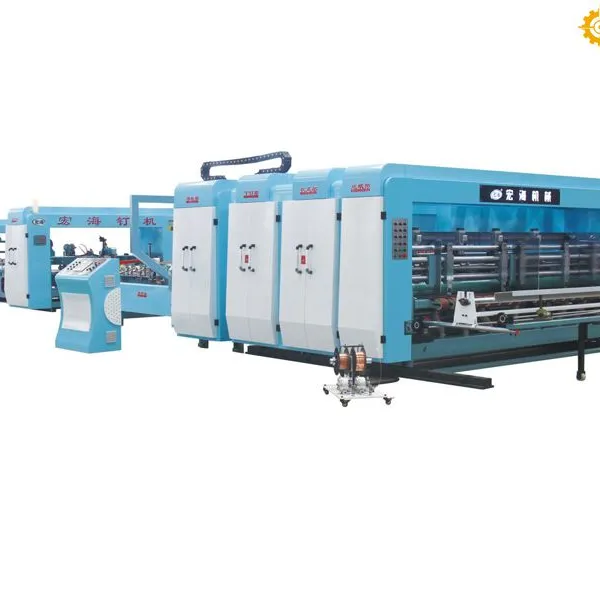 Read More
 -
Carton Printing Wastewater Treatment Machine: Eco-Friendly Solution for Packaging Enterprises
August 6, 2026The corrugated carton printing industry faces persistent environmental and operational challenges, with printing wastewater standi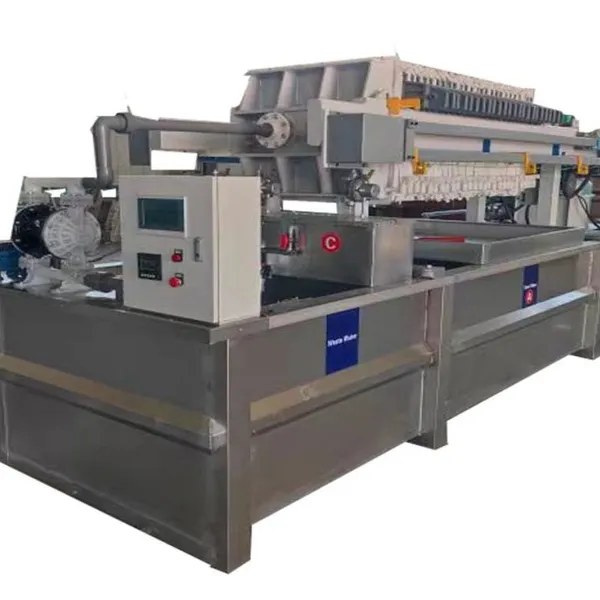 Read More
 -
Fully Automatic Greyboard Production Line | High-Efficiency & Energy-Saving Hard Board Manufacturing
August 5, 2026In the competitive packaging, printing, and industrial board manufacturing industries, stable product quality, high production eff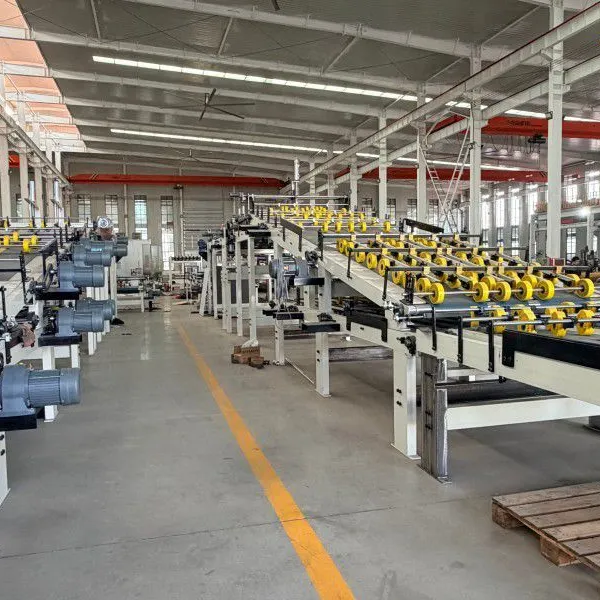 Read More

Contact Us
Recommended Products
-
 Duplex Grey Board Paper Production LineUS$ 8000 - 150000MOQ: 1 Set
 -
Duplex Grey Board Paper Production LineUS$ 8000 - 150000MOQ: 1 Set
-
Large Capacity Grey Board Production LineUS$ 8000 - 150000MOQ: 1 Set
-
Low Energy Grey Board Paper LineUS$ 8000 - 150000MOQ: 1 Set
-
Stable Running Grey Board LineUS$ 8000 - 150000MOQ: 1 Set
-
CE Certified Grey Board Production LineUS$ 8000 - 150000MOQ: 1 Set
-
Industrial Grey Hardboard Production LineUS$ 8000 - 150000MOQ: 1 Set
-
Small Grey Board Paper Production LineUS$ 8000 - 150000MOQ: 1 Set
-
Recycled Pulp Grey Board Production LineUS$ 8000 - 150000MOQ: 1 Set
-
High Efficiency Grey Board Making LineUS$ 8000 - 150000MOQ: 1 Set
-
Grey Board Paper Production LineUS$ 8000 - 150000MOQ: 1 Set
-
Complete Ink Sewage Treatment Machine SystemUS$ 2000 - 20000MOQ: 1 Set
-
Ink Sewage Treatment Machine For Corrugated PrintingUS$ 2000 - 20000MOQ: 1 Set
-
PLC Control Ink Wastewater Treatment MachineUS$ 2000 - 20000MOQ: 1 Set
-
Small Ink Sewage Treatment MachineUS$ 2000 - 20000MOQ: 1 Set
-
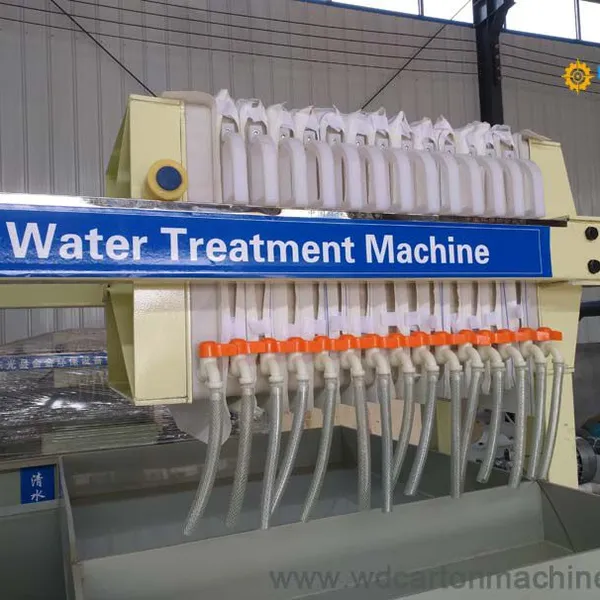
Integrated Ink Sewage Treatment EquipmentUS$ 2000 - 20000MOQ: 1 Set
-
High Purification Ink Sewage Treatment MachineUS$ 2000 - 20000MOQ: 1 Set
-
Environmental Ink Sewage Treatment Machine For Printing IndustryUS$ 2000 - 20000MOQ: 1 Set
-
Stable Operation Ink Sewage Treatment MachineUS$ 2000 - 20000MOQ: 1 Set
-
Ink Sewage Treatment Machine With Water Reuse FunctionUS$ 2000 - 20000MOQ: 1 Set